Our Location
304 North Cardinal St.
Dorchester Center, MA 02124

In Disney’s 1991 film Beauty and the Beast, the selfish prince (who is cursed into becoming a hideous Beast) first encounters Belle (a brilliant and book-loving village girl) when she enters his enchanted castle in search of her inventor father, Maurice who has been imprisoned by the Beast for trespassing. While the Beast initially frightens Belle, her offer to take her father’s place as the prisoner in exchange for his freedom is accepted by the Beast. Over time, Belle and the Beast move past their initial fear and hostility to become friends. Once the Beast develops strong feelings for Belle, he allows her to leave his enchanted castle despite his desire to have his curse removed (by learning to love another and winning their love in return). During the climax and resolution scenes, Gaston, a vain and narcissistic local hunter (and ladies’ man) who wants to marry Belle but is rejected by her, incites an angry village mob to storm the enchanted castle and kill the Beast. After the Beast has defeated Gaston, Gaston (in a jealous rage) stabs the Beast before falling to his own death. Belle then weeps over the dying Beast and confesses her love, thereby triggering his transformation back into the prince.
In the 1958 book Mate-Selection: A Study of Complementary Needs, Sociologist Robert Francis Winch proposed the “theory of complementary needs,” also referred to as the “opposites attract” hypothesis of mate selection. His theory proposes the idea that individuals choose romantic partners whose personality needs provide maximum mutual gratification by being complementary rather than similar. People are often attracted to qualities that are either lacking or less prominent in themselves. Rather than pure homogamy (i.e., attraction to identical traits), psychological compatibility works best when differences fit together like puzzle pieces. For example, if one partner is organized and meticulous and likes managing day-to-day plans like finances and the other is a creative visionary who always introduces spontaneous ideas, they can create a more balanced life than each person would have on their own.
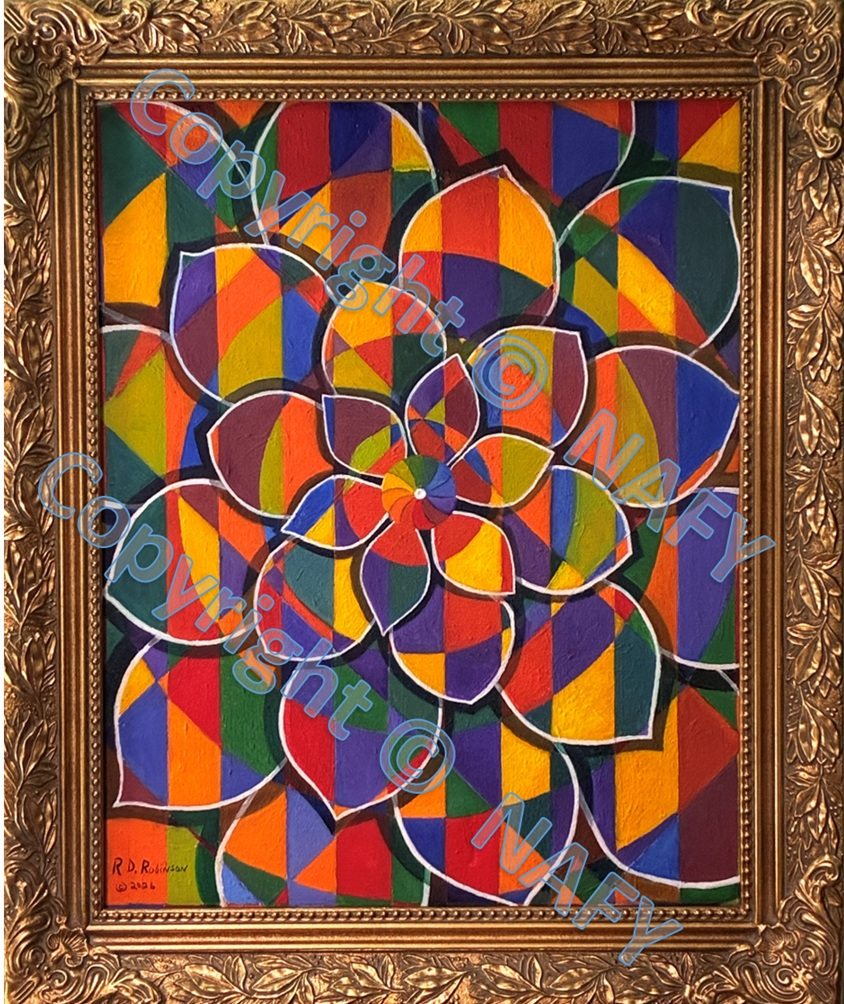
While Winch’s theory became the subject of much debate during over the subsequent two decades, the Beauty and the Beast movie is a classic example of Winch’s “opposites attract” hypothesis. Belle, an intelligent, independent, and compassionate bookworm, looks past the Beast’s terrifying, towering 10-foot animal visage, choosing instead to see his inner humanity and goodness. Through his bond with Belle, the Beast, a formerly spoiled, hot-tempered, selfish, and cruel prince, matures into a kind, selfless, loving, and deeply protective individual. Now, bringing Winch’s theory forward in time, the 1989 pop and dance hit “Opposites Attract” by Paula Abdul, features the famous line and title concept about two completely different people falling for each other. The word opposite can be used to describe a physical position (homes on opposite sides of the street) or a total contrast in meaning. Common pairs of opposite words include Hot and Cold, Happy and Sad, Fast and Slow, Up and Down, etc. As for art, figurative art (works with recognizable references to the real world), is the opposite of abstract art (works that use lines and colors without trying to show real things). And, for art and design, color theory is a practical guide to how colors interact, mix, and affect human emotions. The NAFY post entitled “What’s your color language?” further discusses the foundation of color theory and the color wheel. For this post, the color wheel forms the cryptographic “key” for deciphering how my latest abstract work entitled “The Dahlia” was organized to communicate visual emotion to its viewers.

I first encountered color theory in elementary school while finger-painting with primary colors. I learned that red, blue, and yellow are primary colors because they cannot be created by mixing other colors. Combining two primary colors produces a secondary color: red and yellow make orange, red and blue make purple, and yellow and blue make green.
In middle school, I learned about tertiary colors. Tertiary colors are colors made by combining a secondary color with a primary color. Magenta results from the combination of red and purple, chartreuse results from the combination of yellow and green, cyan results from the combination of blue and green, and so on.
In high school, I learned about warm and cool colors. Warm colors range from red to yellow, while cool colors include blue, cyan, green, and purple. Using these “color temperatures” in art can evoke distinct feelings in viewers: warm colors may suggest coziness and energy, whereas cool colors may convey serenity and isolation.
In college, I learned about complementary colors (pairs that sit opposite each other on the color wheel and create visual harmony). In this sense, opposites attract. Examples include red and green, yellow and purple, orange and blue, and green and magenta. Their bold, high-contrast effect makes them popular choices for sports logos and advertisements.
During my professional career, I learned that cryptography is the practice and study of protecting information so only its intended recipient can read and use it. Its core principles are confidentiality, which keeps information from unauthorized people; integrity, which ensures a message has not been altered; authentication, which verifies the identities of the people or systems communicating; and non-repudiation, which prevents a sender from denying that they sent a message. And cryptographic keys are unique combinations of characters used with an algorithm to lock (scramble) and unlock (unscramble) a message.
In life, I learned that skilled magicians create illusions through misdirection, which draws attention away from the secret move; props, such as hidden compartments, mirrors, or false elements that make impossible sights seem real; and cognitive bias, which causes the brain to fill in missing visual information and perceive what it expects to see.
The Dahlia brings all these lessons together in a single painting. While my wife chooses to see that painting as simply “beautiful,” I am challenging you to look closer at the structure of the painting to uncover its hidden visual message. At first sight, how does this painting make you feel? Do the pedal lines and shadows misdirect your eyes from its underlying visual message? How many columns do you see in the painting? How many circles do you see in the painting? Can you find the squares and triangles in the painting? How does the color wheel at the center of the painting serve as the cryptographic key for revealing the underlying visual message? Finally, what do you see when you look closely at this painting?